This article clarifies Ripple Currency Wallet by examining its purpose, operation, and broader industry impact.
Updated December 2025 — Ripple Currency Wallet trends reviewed by Scarlett Wilson.
A Ripple currency wallet is a digital wallet specifically designed to store, send, and receive XRP, the native cryptocurrency of the Ripple network. It exists to facilitate secure and efficient transactions within the Ripple ecosystem, which is aimed at enhancing cross-border payments and financial services. Ripple currency wallets also enable users to manage their XRP assets and provide integrations with various services for enhanced utility.
Ripple currency wallets can be categorized into hot and cold wallets, which represent online and offline storage methods, respectively. Hot wallets are more accessible for frequent transactions but may expose users to higher security risks, while cold wallets offer enhanced security by being disconnected from the internet. Each type has its advantages, allowing users to choose based on their transactional needs and security considerations.
A Ripple currency wallet is not a suitable option for storing a wide variety of cryptocurrencies. Users who primarily trade in multiple digital assets may prefer wallets that support numerous cryptocurrencies, such as multi-currency wallets. Additionally, choosing a Ripple wallet typically requires understanding the specifics of the Ripple network, including its consensus mechanism and transaction fees, which can differ from other blockchain protocols. Furthermore, leveraging Ripple’s capabilities might not align well with users focused solely on privacy features, as Ripple transactions are not entirely anonymous. Learn more about Ripple Currency Wallet insights

1. Hot and cold wallets serve different purposes: hot wallets allow quick access for trading, while cold wallets are best for long-term storage.
2. Ripple’s consensus protocol features a unique transaction verification process through its network of validators, unlike the proof-of-work or proof-of-stake mechanisms seen in Bitcoin and Ethereum.
3. Incorrectly configuring transaction fees on a Ripple wallet can lead to delayed or failed transactions, an important aspect for users to monitor as it impacts transaction speed and cost.
Typically, users of Ripple wallets include individuals engaged in cryptocurrency trading, businesses managing cross-border payments, and investors seeking to hold XRP as an asset. Additionally, in regions with less stable financial systems, Ripple wallets may be utilized for remittances and store of value between currencies.
Ripple currency wallets matter long-term as they represent a growing shift towards blockchain technologies in traditional banking and finance. As more institutions consider adopting Ripple’s solutions, the utility and necessity of Ripple wallets will continue to evolve. Their potential impact on global financial systems could substantiate their importance for users seeking to leverage digital assets securely. Explore the latest Ripple Currency Wallet trends
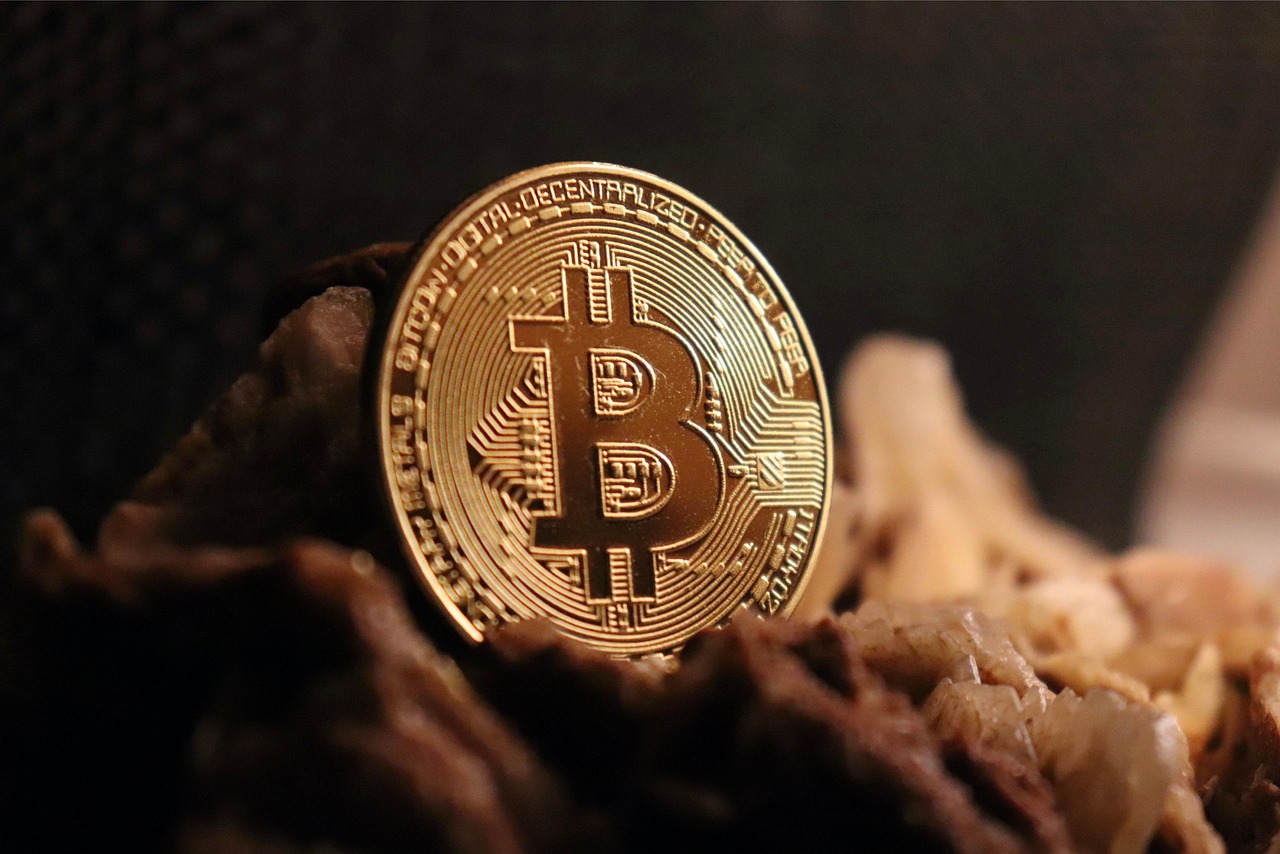
The Ripple ecosystem primarily stands out for its real-time gross settlement system, currency exchange, and remittance network. As a result, it is essential for users to understand that Ripple currency wallets are distinct from personal wallets used for holding various cryptocurrencies, as they are tailored for specific functionalities within this ecosystem.
Process for Setting Up a Ripple Currency Wallet:
1. Choose the type of wallet: hot or cold.
2. Download or acquire the wallet software/hardware.
3. Securely install the wallet and create a new account.
4. Write down and backup the recovery phrase securely.
5. Fund the wallet with XRP or connect to an exchange for purchasing.
6. Configure any necessary settings for transaction fees and security.
7. Start sending or receiving XRP.
| Feature | Hot Wallet | Cold Wallet |
|——————|—————————–|——————————|
| Accessibility | High | Low |
| Security Level | Moderate | High |
| Best Use Case | Frequent trading | Long-term storage | Deep dive into Ripple Currency Wallet research
In practice, we have observed that users transitioning to Ripple wallets often benefit from the instant transaction settlements, which differentiate them from traditional banking. In production systems, the ease of integration with existing financial infrastructures has made them appealing to banks and financial institutions.
As the cryptocurrency landscape evolves, awareness of wallet types and their appropriate application will help users protect their investments and maximize transaction efficiency. Given the increasing adoption of Ripple’s technologies by various financial entities, understanding how to effectively use a Ripple currency wallet will become more critical over time.
🔍 Top Takeaways
- Future developments in Ripple Currency Wallet will likely focus on scalability and trust.
- Adoption of Ripple Currency Wallet technologies is expected to rise steadily.
- Analytical frameworks are becoming more refined for interpreting Ripple Currency Wallet data.
What mistakes should be avoided with Ripple Currency Wallet?
Common mistakes with Ripple Currency Wallet include relying on outdated data, ignoring risk factors and failing to validate assumptions.
Can Ripple Currency Wallet improve trading performance?
Ripple Currency Wallet can improve performance by offering structure, reducing noise and supporting more consistent decision-making.
What future developments may influence Ripple Currency Wallet?
Future developments around Ripple Currency Wallet may include automation, AI-driven insights and clearer regulatory guidelines.