Scarlett Wilson's analysis on how to spot a bitcoin scammer was published on Thursday, January 22, 2026 at 02:56 AM.
Identifying a Bitcoin scammer is crucial in protecting your investments and personal information in the rapidly evolving cryptocurrency landscape. Given the decentralized nature of Bitcoin, the anonymity it offers can attract bad actors looking to exploit unsuspecting individuals. Scammers may employ various techniques to deceive their targets, and understanding these tactics is essential for anyone involved in Bitcoin trading and investment.
Common tactics employed by Bitcoin scammers include phishing, Ponzi schemes, and fake initial coin offerings (ICOs). Phishing often occurs through fraudulent websites or emails that mimic legitimate platforms, resulting in users inadvertently providing their private keys or login information. Ponzi schemes lure investors with promises of high returns on investments funded by subsequent recruits rather than legitimate profits. Fake ICOs present a semblance of a legitimate project but ultimately aim to steal funds raised from unsuspecting investors. Identifying a Bitcoin scammer is crucial

To begin identifying a Bitcoin scammer, always verify the legitimacy of the platform or individual you are dealing with. Conduct thorough research on their online presence, including reviews and complaints from other users. This process can help paint a clearer picture of their reliability and trustworthiness. Additionally, pay attention to any red flags in communication. Scammers often employ pressure tactics, solicit unsolicited payments, or guarantee unrealistic returns, all of which should raise your suspicion.
Another effective way to spot potential scammers is by scrutinizing their offers. Compare the investment opportunities they present to established market rates and industry norms. If an offer appears too good to be true, it likely is. Scrutinizing contractual agreements and proposed terms for any unusual clauses is also advisable. Common tactics employed by Bitcoin scammers include
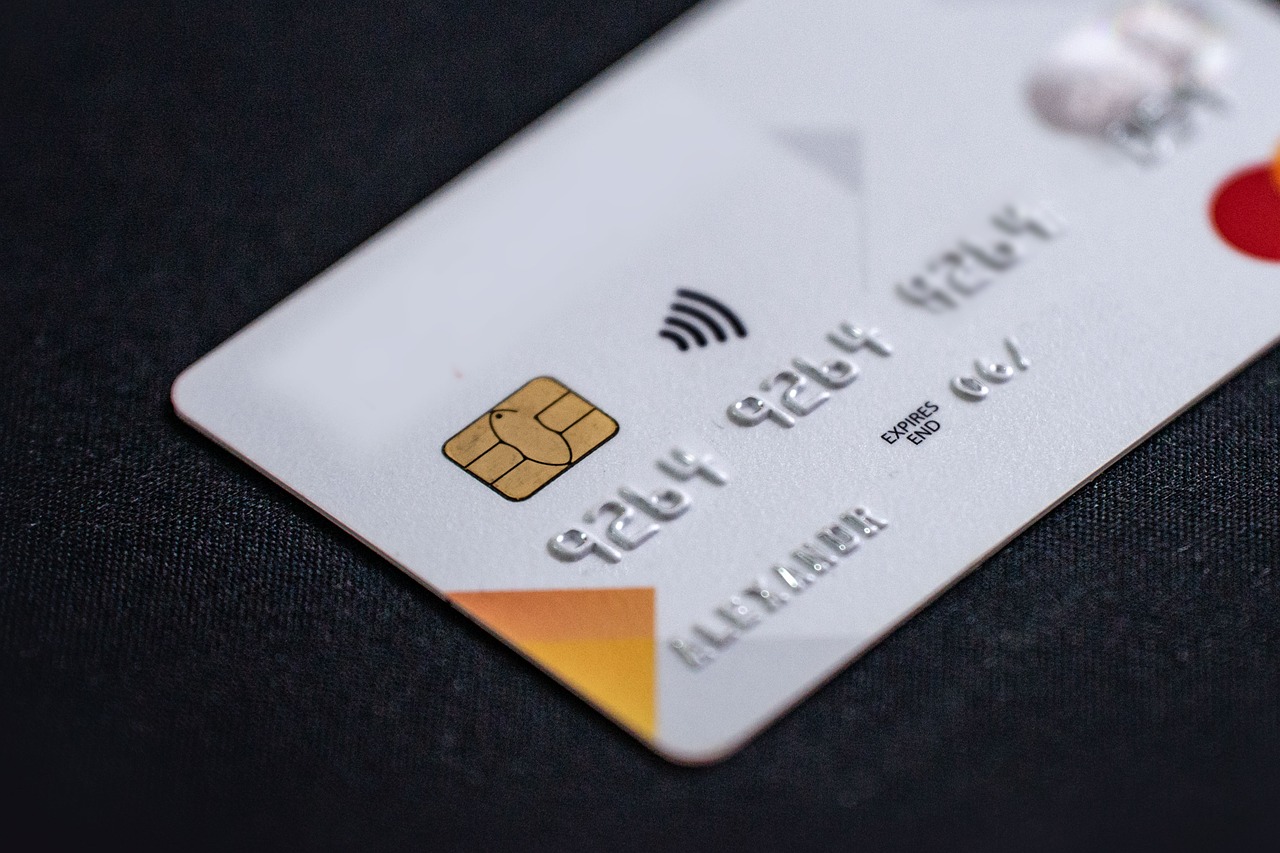
Maintaining a healthy level of skepticism is essential when navigating the cryptocurrency space. Regardless of advances in technology, scammers continually adapt, presenting new challenges to investors. Staying informed about the latest scams and tactics can help you recognize potential threats effectively.
While learning how to spot a Bitcoin scammer is important, it also comes with tradeoffs. This guidance may not give you the tools necessary to assess investment opportunities comprehensively. For example, relying solely on online reviews can lead to misinformation, as some reviews can be fabricated or biased. Additionally, real-world market behaviors like rapid price fluctuations can provide misleading signals that obscure genuine investment opportunities. Be mindful of your emotional responses when faced with high-pressure sales tactics, as these can cloud judgment and lead to poor decisions. Common tactics employed by Bitcoin scammers include

1. Verify the platform or individual’s legitimacy through research.
2. Be wary of high-pressure tactics and unsolicited communication.
3. Compare investment offers against industry standards and market rates.
4. Scrutinize contractual terms for unusual clauses.
5. Maintain skepticism when faced with seemingly perfect opportunities.
| Common Scams | Warning Signs | Recovery Steps |
|—————————–|———————————–|———————————-|
| Phishing attacks | Unsolicited emails or messages | Report to authorities immediately |
| Ponzi schemes | Guarantees of high returns | Contact your bank or financial institution |
| Fake ICOs | Unrealistic project promises | Raise awareness in online communities |
In conclusion, becoming adept at spotting Bitcoin scammers involves a continuous learning process. Regularly updating your knowledge and being vigilant can help maintain security in your investments. Engage with legitimate channels for education, and never hesitate to seek advice from trusted financial professionals when in doubt. Taking proactive steps can significantly reduce your risk and enhance your overall experience in the Bitcoin and cryptocurrency market.
What characteristics define someone trying to deceive others in the cryptocurrency space?
Individuals attempting to scam others in cryptocurrency commonly use high-pressure tactics, guarantee extraordinary returns, or create a sense of urgency. They often lack verifiable credentials and may operate through unofficial channels, such as social media, rather than established platforms. However, this introduces tradeoffs that must be evaluated based on cost, complexity, or network conditions.
How can I verify if a cryptocurrency investment opportunity is legitimate?
To confirm the legitimacy of an investment opportunity, check for regulatory compliance and track the project's online presence through reviews and other investors' feedback. Be cautious, as some scams mimic legitimate companies by using similar branding or websites. However, this introduces tradeoffs that must be evaluated based on cost, complexity, or network conditions.
What signs indicate that a communication may not be from a credible source in the crypto space?
Red flags include unsolicited messages, poor grammar in communications, requests for private keys or personal information, and lack of a verified presence on reputable platforms. Credible sources typically use secure channels and provide clear, accessible information about their operations. However, this introduces tradeoffs that must be evaluated based on cost, complexity, or network conditions.