Quick guide: Crypto Analysis Signals explained in plain terms, with a look at common applications and important things to watch.
December 2025 update — refreshed Crypto Analysis Signals overview by Editor.
Cryptocurrency trading has evolved significantly over the past decade, with millions of individuals and institutions participating in this dynamic market. At the heart of successful trading lies the ability to interpret market data meaningfully—a process often facilitated by crypto analysis signals. These signals serve as vital indicators that inform traders when to buy, sell, or hold their assets. In this article, we will explore the various types of crypto analysis signals, their development, and how they can enhance trading strategies.
What Are Crypto Analysis Signals?
Crypto analysis signals are notifications or indicators that provide traders with actionable insights regarding market conditions and price movements. These signals can stem from various sources and can be derived from technical analysis, fundamental analysis, and sentiment analysis. Essentially, they aim to forecast future price movements based on historical data and market trends.
Different types of signals can be classified into two main categories: manual and automated signals. Manual signals require the trader to analyze charts or data to make decisions based on their judgement, while automated signals may be generated by sophisticated algorithms and trading bots that utilize advanced statistical methods and data processing techniques.
Types of Crypto Analysis Signals
1. Technical Analysis Signals
Technical analysis focuses on historical price and volume data to identify trends and potential future movements. Here are some fundamental technical analysis signals utilized by traders:
# a. Moving Averages
Moving averages are among the most commonly used tools in technical analysis. A moving average smooths out price data to create a trend-following indicator. Traders most frequently use two types: the Simple Moving Average (SMA) and the Exponential Moving Average (EMA). SMAs calculate the average price over a specified period, while EMAs give more weight to recent prices, making them more responsive to current market conditions.
# b. Relative Strength Index (RSI)
The RSI is a momentum oscillator that measures the speed and change of price movements. It ranges from 0 to 100 and is typically considered overbought when above 70 and oversold when below 30. Signals generated by the RSI can help traders identify potential reversal points in the market.
# c. Bollinger Bands
Bollinger Bands consist of a central moving average and two outer bands that represent standard deviations from this average. When the bands contract, it indicates lower volatility, while expansion suggests potentially higher volatility. Breakouts above or below the bands can signal potential trading opportunities.
2. Fundamental Analysis Signals
Fundamental analysis involves evaluating a cryptocurrency’s intrinsic value by studying economic factors, including news events, financial metrics, and regulatory developments. Key fundamental signals include:
# a. News and Events
News related to regulatory updates, significant partnerships, or technological advancements can significantly impact market sentiment. Traders often watch for major announcements or important events like forks, updates, or major integrations within the ecosystem.
# b. On-Chain Metrics
Learn more about Crypto Analysis Signals insights

On-chain analysis involves examining blockchain data, including transaction volume, active addresses, and the amount of cryptocurrency held in wallets. Key metrics such as Network Value to Transactions (NVT) ratio, which compares a cryptocurrency’s market capitalization to its transaction volume, provide further insights for traders.
# c. Market Sentiment
Market sentiment measures how traders feel about a particular asset. It can be gauged through sentiment analysis tools that analyze social media, news articles, and various online platforms for bullish or bearish sentiments. High levels of positive sentiment could indicate future price increases.
3. Sentiment Analysis Signals
Sentiment analysis revolves around understanding market psychology and the collective behavior of participants. Sentiment signals can often be contrary indicators, as they reflect the prevailing mood rather than merely factual data:
# a. Fear and Greed Index
This index provides a quantitative measure of market sentiment, oscillating from extreme fear (which indicates market pessimism) to extreme greed (indicating irrational exuberance). When fear is predominant, it may offer buying opportunities, while excessive greed may suggest it is time to take profits.
# b. Social Media Trends
Traders often track prominent social media platforms for trending topics or phrases related to cryptocurrencies. Tools that highlight the rising popularity of specific currencies or ideas can serve as valuable sentiment indicators.
How to Interpret Crypto Analysis Signals
While understanding the types of crypto analysis signals is essential, interpreting these signals effectively is equally crucial. Below are key considerations when analyzing signals:
1. Contextual Analysis
The success of any analysis signal depends significantly on context. A signal that might be interpreted as a bullish indicator in one market condition may not hold the same weight in another. Factors such as market volume, news events, and broader market trends must always be considered to avoid misinterpretations.
2. Combining Signals for Confluence
Utilizing a combination of signals can provide a more comprehensive and reliable analysis. For example, if a trader sees a bullish signal from moving averages coinciding with an increase in social media sentiment, the chances of a price surge may be higher. This approach draws on the principle of confluence, where multiple signals support the same trade decision.
3. Risk Management
Even with robust analysis signals, the cryptocurrency market remains highly volatile and unpredictable. Implementing a solid risk management strategy is paramount. Traders should establish stop-loss levels, determine the proportion of their portfolio to risk on any given trade, and employ strategies such as diversification to protect against unexpected market shifts.
Tools and Resources for Crypto Analysis Signals
Explore the latest Crypto Analysis Signals trends
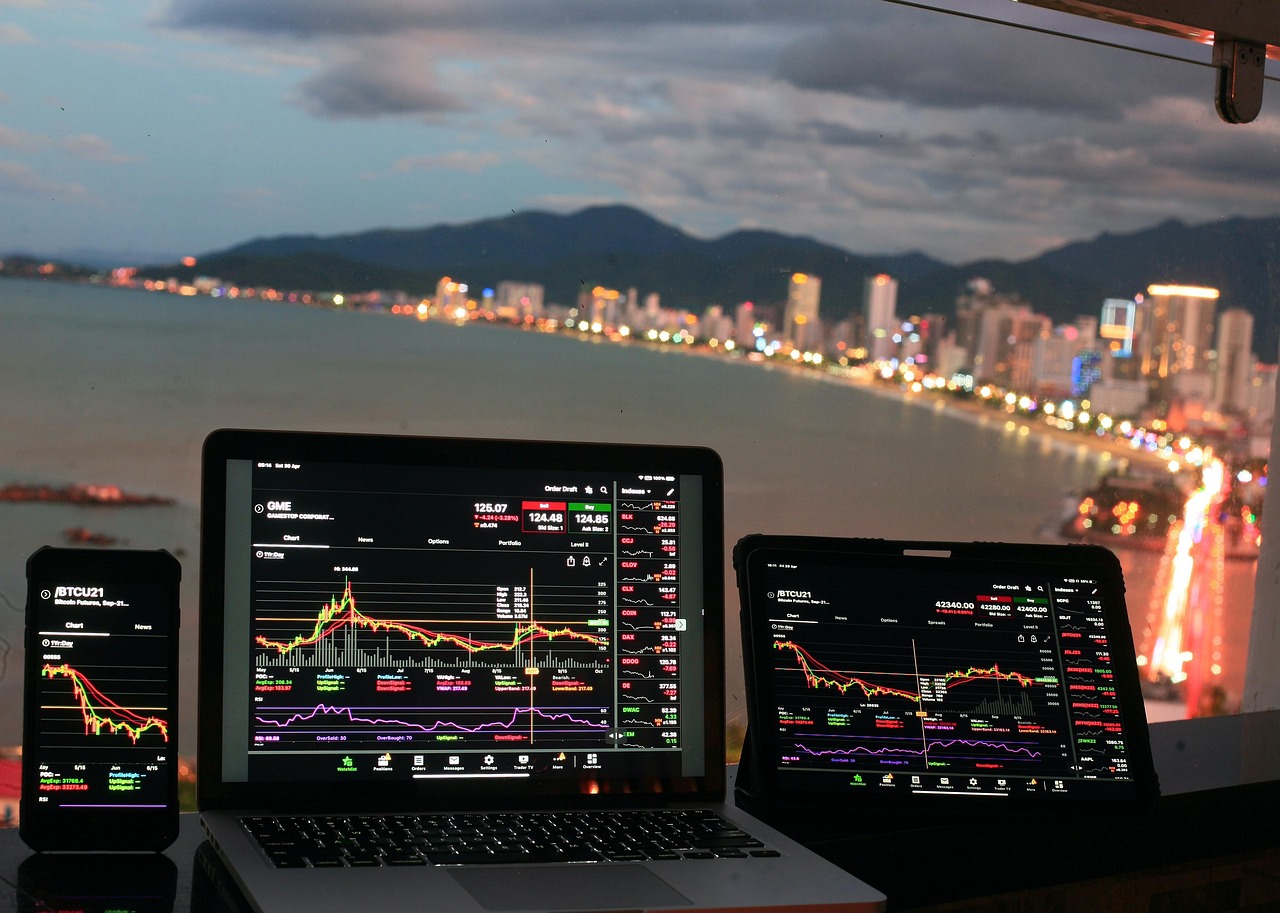
Several platforms and tools provide real-time analysis signals for cryptocurrencies, catering to the growing demand from retail and institutional traders. While naming specific tools are beyond this scope, here are categories of resources that can aid in crypto signal generation:
1. Charting and Technical Analysis Platforms
These platforms provide extensive charting tools alongside access to various technical indicators and analysis methods. Traders can customize their indicators and set alerts based on specific criteria.
2. News Aggregators
News aggregators or financial news platforms compile information from various sources and provide timely updates on industry developments. By sourcing news on cryptocurrencies and associated technologies, traders can stay informed on factors that may affect price movements.
3. Trading Bots and Algorithms
Automated trading bots have gained popularity for their ability to generate analysis signals, execute trades, and even back-test strategies based on predefined conditions. These solutions can provide traders with a hands-free experience in monitoring various signals.
4. Community Forums and Market Analysis Groups
Online forums, Discord servers, and social media groups dedicated to cryptocurrency trading can serve as valuable resources for sharing insights and analysis signals. Networking with other traders can provide alternative perspectives and foster collaborative trading strategies.
Challenges in Crypto Analysis Signals
Despite their potential benefits, crypto analysis signals come with their own set of challenges:
1. Market Complexity
The cryptocurrency market is influenced by numerous factors, including global economic conditions, regulatory changes, and technological advancements. This complexity can make it challenging to derive accurate signals.
2. High Volatility
Cryptocurrency prices can fluctuate rapidly, making it difficult to implement strategies based solely on signals. Traders must be prepared for unexpected market movements that can lead to rapid gains or losses.
3. Signal Latency
In fast-moving markets, the time it takes to interpret and act upon signals can impact the overall success of trading decisions. Automated systems might mitigate this issue, but manual interpretations are prone to delays.
4. Market Manipulation
Deep dive into Crypto Analysis Signals research
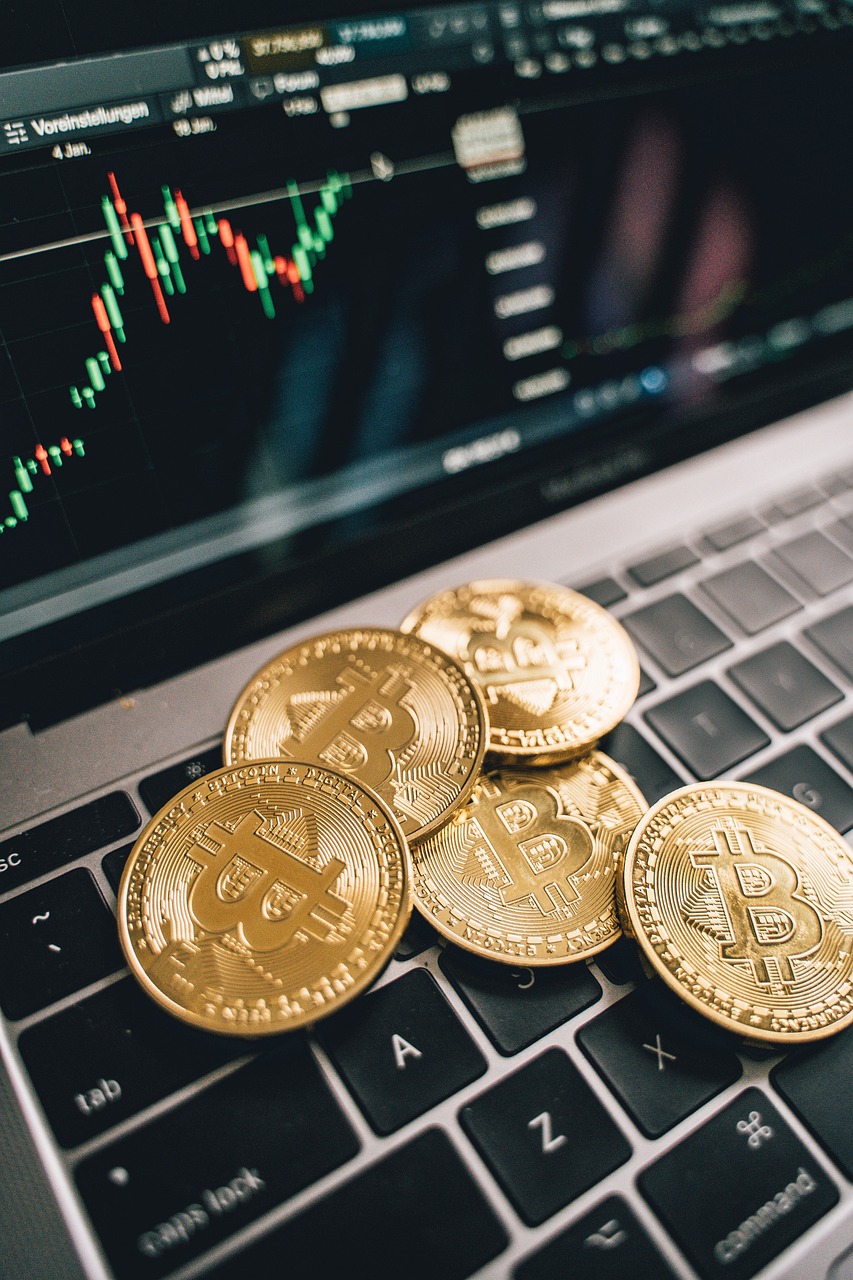
The cryptocurrency market is often subject to manipulation, which can render traditional analysis signals less effective. Whales (large holders of cryptocurrency) can create false buying or selling pressure, leading to misleading signals that can misguide traders.
Future Trends in Crypto Analysis Signals
As the cryptocurrency ecosystem continues to mature, several trends are on the horizon that could influence the future of crypto analysis signals:
1. Advanced Algorithms
The increasing use of artificial intelligence and machine learning is expected to enhance the effectiveness of signals. Sophisticated algorithms can analyze vast datasets more comprehensively and generate predictions with greater accuracy.
2. Integration of Social Metrics
Social data analysis and sentiment metrics may become more vital for signal generation in the future. By integrating social media analysis with advanced statistical models, traders may gain enhanced insights into market trends.
3. Regulatory Influences
As regulations around cryptocurrency trading evolve, the way signals are generated and interpreted will also transform. Regulatory clarity could bring more institutional participation, changing the dynamics and influencing the signals traders rely upon.
4. Growth of Decentralized Finance (DeFi)
The booming DeFi sector presents new opportunities and challenges in the realm of analysis signals. Signals specific to DeFi markets will become increasingly important as more traders engage with these emerging platforms.
Conclusion
In a rapidly shifting crypto landscape, understanding and leveraging crypto analysis signals can differentiate successful traders from those who struggle in the complexities of the market. By embracing various types of signals—including technical, fundamental, and sentiment indicators—traders can gain actionable insights that inform their buying, selling, and holding strategies.
However, it is critical to interpret these signals within context and always apply risk management principles to safeguard trading positions. As technology continues to advance and the market evolves, the potential for enhanced signal generation will grow, allowing traders to adapt and thrive in the ever-changing crypto environment.
Supported By
Supporting research and developments in the field of crypto analysis signals indicate that a multiplicative approach—combining various analysis methods—significantly increases the probability of trading success, while providing insights into market behavior.
🔍 Top Takeaways
- Investors are using AI analytics to enhance Crypto Analysis Signals decisions.
- Crypto Analysis Signals continues to shape global blockchain innovation.
- Security and regulation will define the next phase for Crypto Analysis Signals.
What should traders know before using Crypto Analysis Signals?
Before using Crypto Analysis Signals, traders should understand their goals, gather reliable data and avoid emotional or rushed decisions.
How does Crypto Analysis Signals compare to similar crypto concepts?
Crypto Analysis Signals differs from similar concepts by focusing on simplified insights that support faster and more accurate decisions.
What mistakes should be avoided with Crypto Analysis Signals?
Common mistakes with Crypto Analysis Signals include relying on outdated data, ignoring risk factors and failing to validate assumptions.